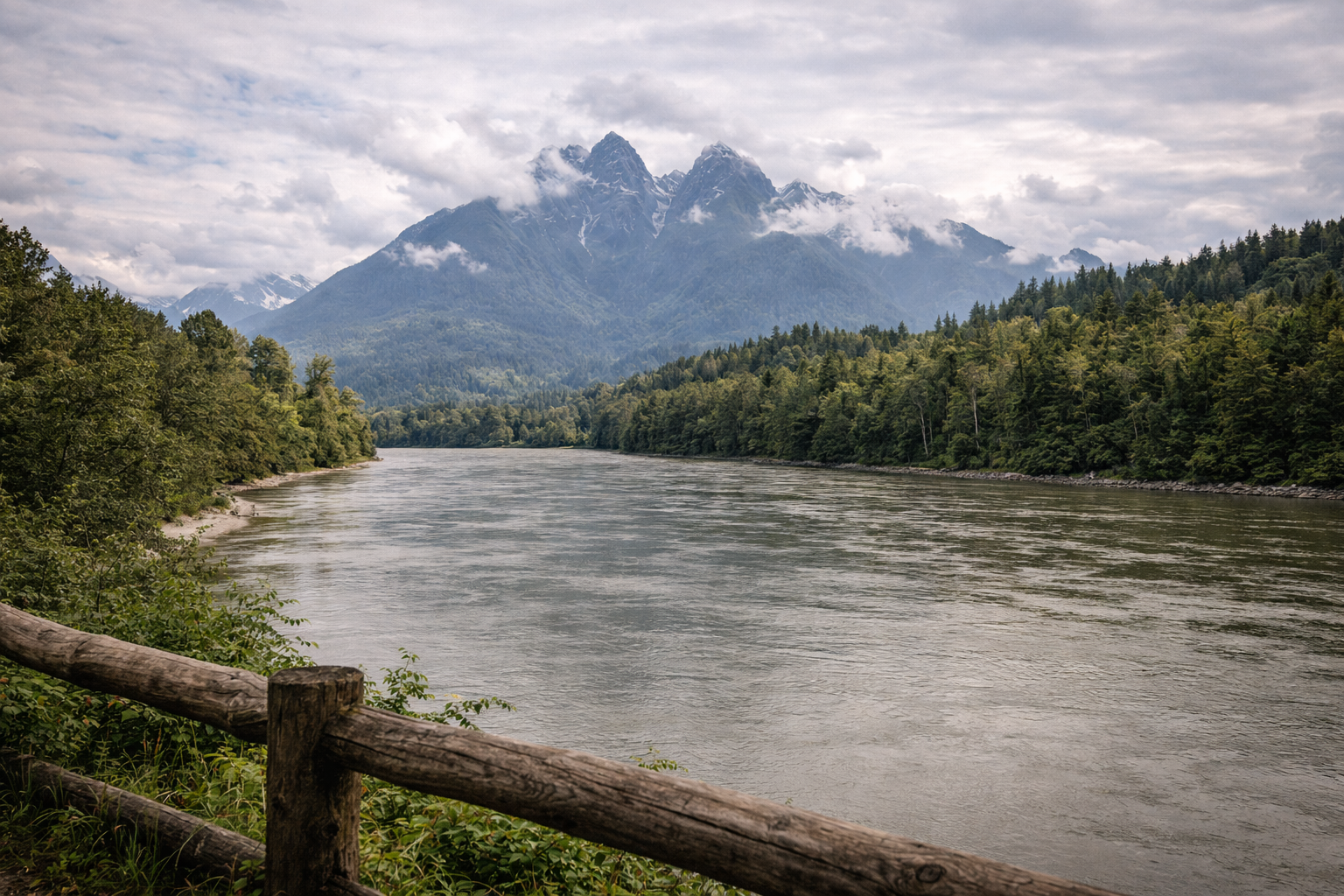

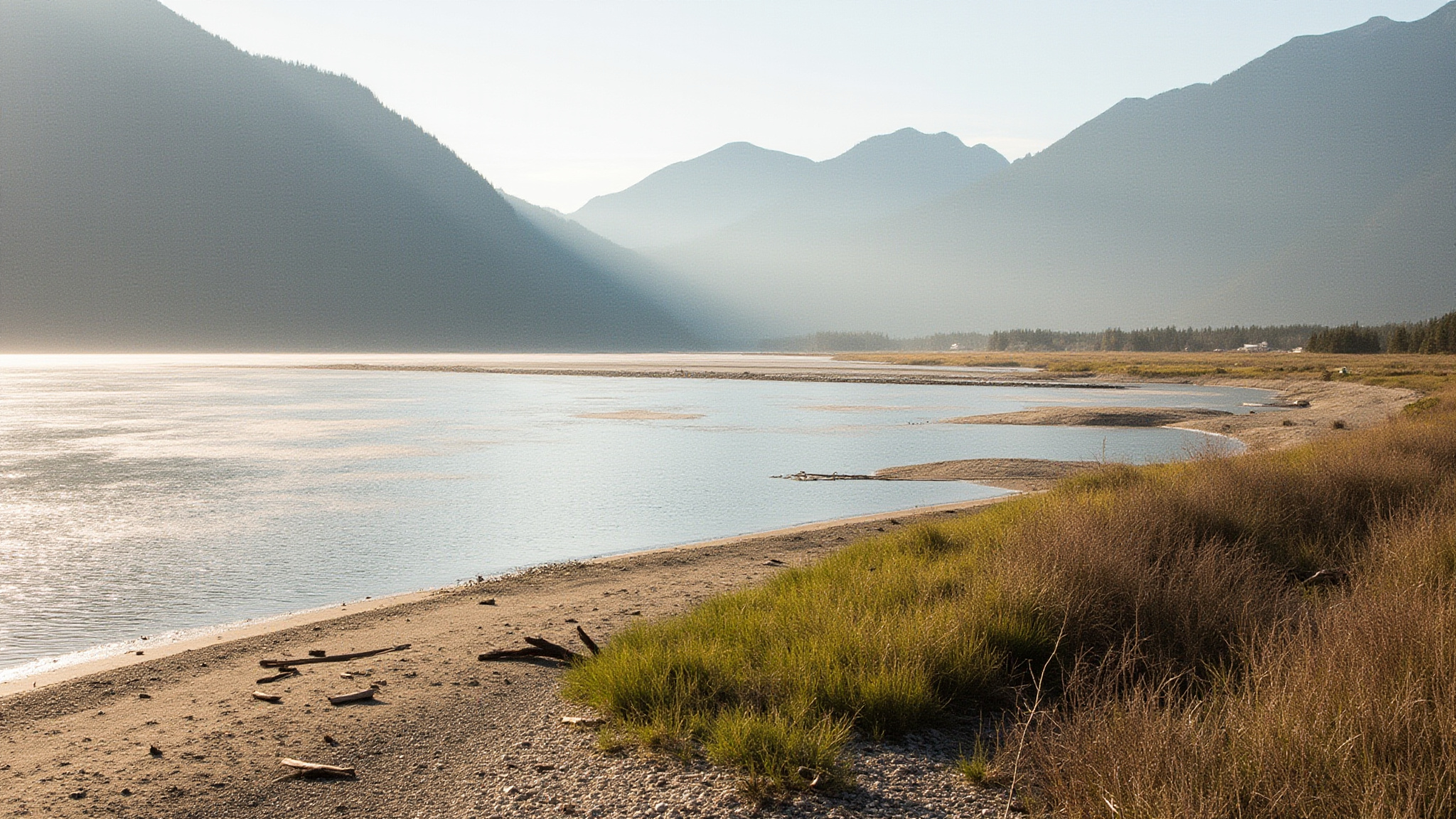
Pitt Lake occupies a geographic category essentially by itself: a large freshwater lake whose water levels rise and fall with the ocean tides, thanks to a direct connection through the Pitt River to the tidal Fraser. The lake is one of the largest tidal freshwater lakes in North America, and the tidal effect is measurable and visible, with water levels shifting by up to a metre through the tidal cycle. This unusual hydrology shapes everything about the lake, from the broad mudflats exposed at low tide to the timing of fish movement through the system.
The lake sits northwest of Maple Ridge, accessed via Pitt Meadows and the road to Grant Narrows Regional Park at the lake’s south end. The surrounding mountains are dramatic, rising steeply from the shoreline on the east side and dropping into the broad Pitt-Addington Marsh Wildlife Management Area on the west. For paddlers, birders, and anyone looking for a wilderness experience within 45 minutes of downtown Vancouver, Pitt Lake is one of the region’s most remarkable destinations.

The Tidal Nature of Pitt Lake
The tidal connection is what makes Pitt Lake scientifically interesting and practically significant for anyone spending time on the water. The lake connects to the Pitt River at its south end, and the Pitt River connects to the Fraser just north of Pitt Meadows. Ocean tides travel up the Fraser, up the Pitt River, and into the lake, creating water level fluctuations that follow the lunar tidal cycle rather than rainfall patterns. The effect is most pronounced in the southern portion of the lake and diminishes toward the north end.
At low tide, the south end of the lake near Grant Narrows reveals extensive mudflats that are entirely submerged at high tide. These flats are critical habitat for wading birds and shorebirds, and the transition between low and high tide is one of the best times to observe wildlife activity. The mudflats also mean that the launch area at Grant Narrows can look dramatically different depending on when you arrive, with boats resting on mud at a very low tide.
Understanding the tide before you go makes the day significantly better. A large incoming tide can create a subtle but noticeable current in the narrow section near the south end of the lake, and paddling against an ebb tide in the Pitt River section adds effort. The Pitt Lake tide follows the Port Moody tide table with a delay of roughly two hours, and this information is readily available online. Timing your launch to coincide with incoming tide and your return with outgoing tide is the local paddler’s standard approach.
Grant Narrows Regional Park: The Main Access Point
Grant Narrows Regional Park is the primary access point for Pitt Lake and sits at the southern end of the lake where it narrows before the river section begins. The park is managed by Metro Vancouver Regional Parks and has a paved parking area, a boat launch, portable toilets, and a small beach area that gets busy on summer weekends. The approach road from Pitt Meadows passes through farming fields and then into the Pitt-Addington marsh area, a drive that already feels like an escape even before you reach the lake.
The boat launch at Grant Narrows accommodates both trailer-launched powerboats and hand-launched kayaks and canoes. There is typically enough room to manage both, though the launch can get congested on busy summer weekends. The beach area near the launch is a pleasant spot for lunch or a rest and provides a view north up the lake toward the mountains that is one of the more striking views available from a picnic table in Metro Vancouver.
The wetlands around the south end of the lake, particularly the Pitt-Addington Marsh Wildlife Management Area on the west bank, are extraordinary habitat for birds. The marsh is one of the most important waterfowl areas in BC and is managed jointly with BC Wildlife to protect nesting habitat. Paddling into the sloughs and channels that thread through the marsh at the right time of year, particularly in spring when waterfowl are nesting and in fall during migration, provides wildlife encounters that rival dedicated bird sanctuaries.
Paddling Routes on Pitt Lake
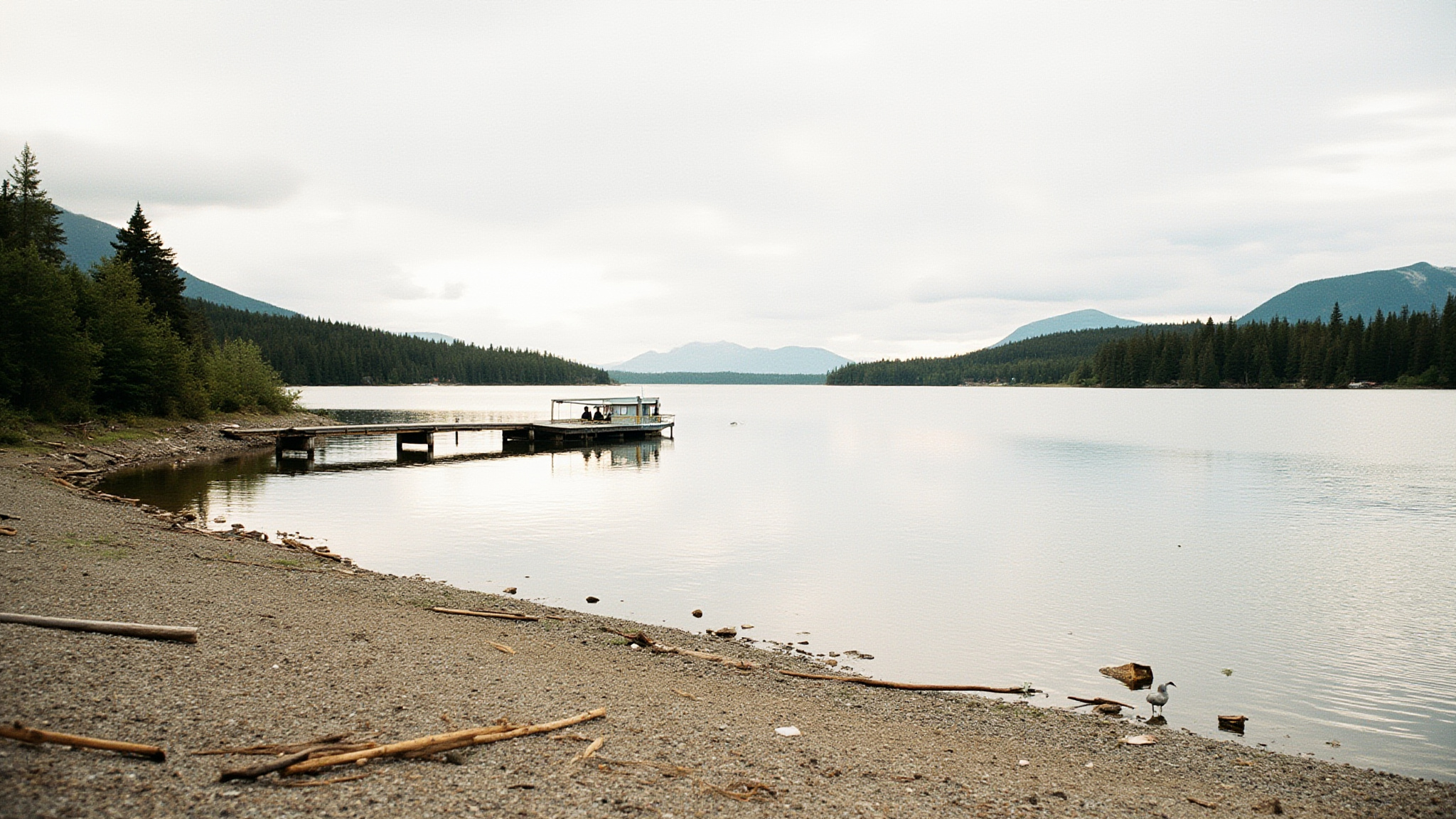
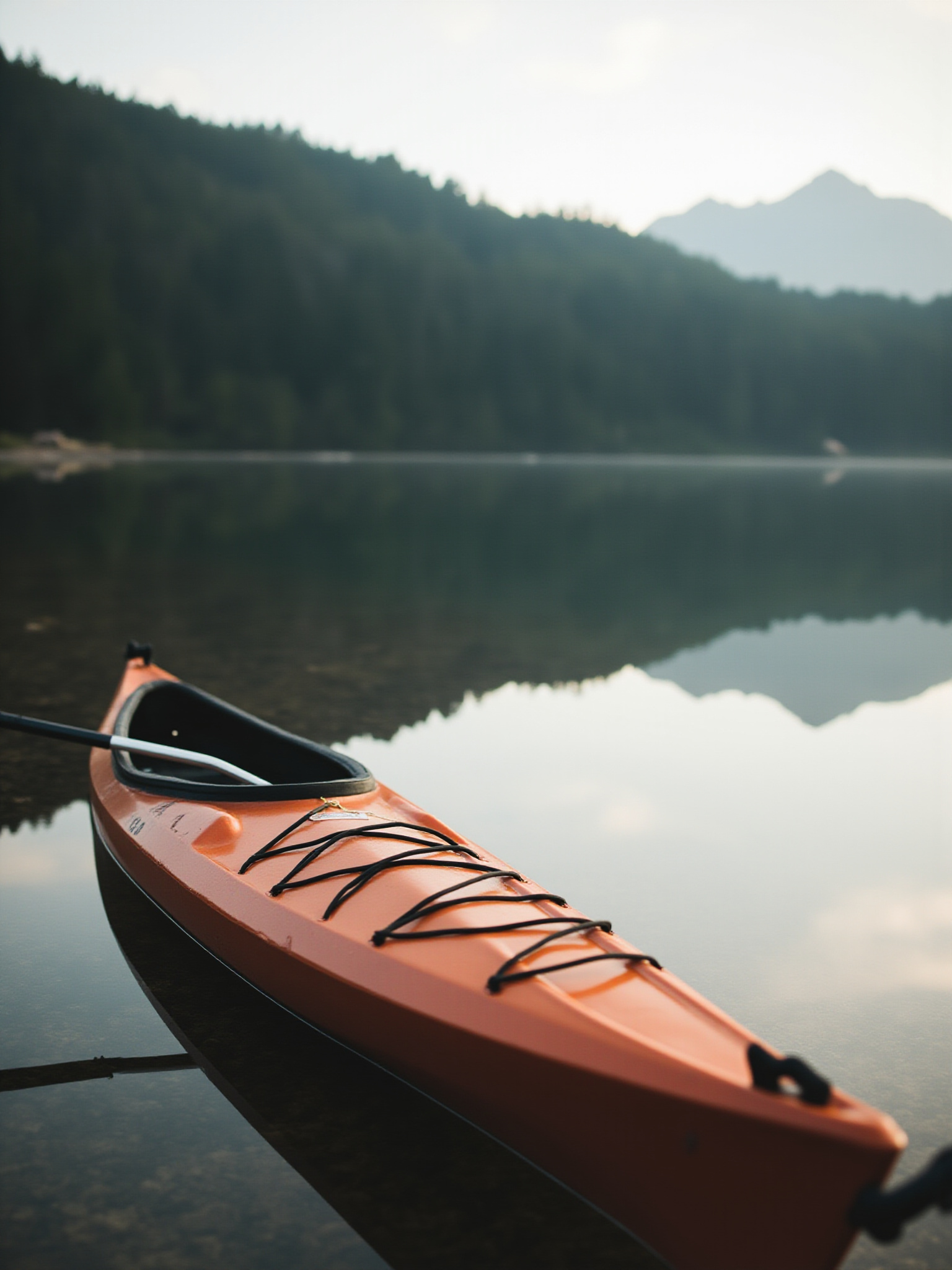
The lake is large enough that multiple distinct paddling routes are possible, ranging from a short explore near the Grant Narrows launch to a full day covering the length of the lake to the mountains at the north end. The most common route for day paddlers is northward along the east shore, which offers shelter from southwest winds, views of the steep mountain slopes, and access to several small creeks and beaches. The round trip to the north end of the lake is approximately 20-24km and takes six to eight hours of solid paddling time.
The west side of the lake, which borders the Pitt-Addington Marsh, is shallower and more complex to navigate due to snags and the tidal mudflats. This side is worth exploring at high tide when the marsh is flooded and the channels through the wetlands are accessible. Experienced paddlers who have studied the area on a map can spend a full day threading the western channels and barely cover any distance in a straight line, absorbed by the wildlife and the intimate scale of the marsh landscape.
Several primitive campsites exist on the eastern shore of the lake at Crown land, allowing for overnight paddling trips. These are not maintained sites and require self-sufficiency, but they provide access to the quieter northern sections of the lake that day paddlers rarely reach. The upper lake narrows toward Pitt River headwaters country and the wilderness quality increases significantly with distance from the launch.
Wildlife Viewing on and Around the Lake
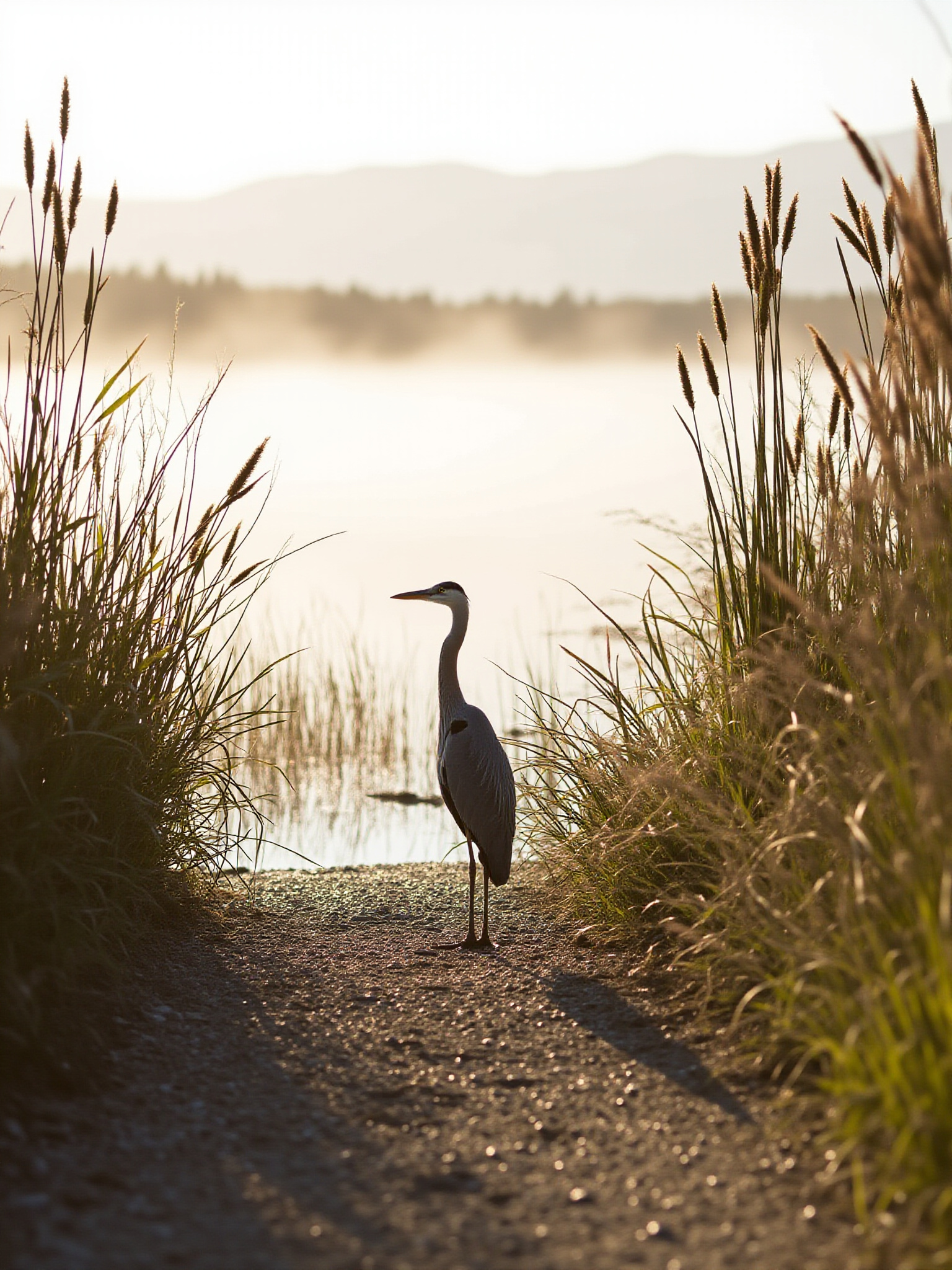
Pitt Lake is exceptional for wildlife in all seasons. Bald eagles are present year-round and are common enough that seeing several in a morning paddle is the norm rather than a lucky exception. Great blue herons stalk the shallows along both shores and in the marsh channels. Sandhill cranes can be seen in the agricultural fields on the approach to Grant Narrows during migration in spring and fall. Trumpeter swans winter in the valley in significant numbers, and seeing a hundred swans on the lake on a January morning is among the region’s more extraordinary natural spectacles.
The marsh on the west side supports a remarkable array of ducks and geese, including wood ducks, American wigeons, buffleheads, and mergansers depending on the season. The dense vegetation along the shoreline provides cover for river otters, which are frequently spotted fishing in the shallows. Black bears come down to the shore in late summer and fall, and sightings from the water are not uncommon in the upper lake area.
Osprey are active over the lake from spring through fall, fishing from prominent perches along the shore and making dramatic dives into the water. The combination of the tidal system, the productive wetlands, and the varied shoreline habitat makes Pitt Lake one of the most bird-rich settings accessible to Metro Vancouver residents, and it rewards multiple visits in different seasons.
Practical Information for Visiting Pitt Lake
The drive to Grant Narrows from central Maple Ridge takes approximately 20-30 minutes, passing through Pitt Meadows and following Harris Road and then Rannie Road to the park. The final section is a single-lane road through the marsh that is fine for regular vehicles but requires careful passing when you encounter oncoming traffic. Arrive early on summer weekends as the parking lot fills and latecomers are turned away.
Kayak and canoe rentals are available at Grant Narrows during peak season from a concessionaire that operates at the park. This makes the lake accessible without your own gear, though availability is limited and booking ahead is strongly recommended. Life jackets are mandatory on the water under Transport Canada regulations and are checked by park staff on busy days.
The lake is subject to wind. The southern section near Grant Narrows is most exposed to southwest winds that build in the afternoon. Checking the wind forecast before heading out and planning to be off the exposed sections of the lake before early afternoon is a sensible approach, particularly for less experienced paddlers in smaller boats.
Tips for Paddling Pitt Lake
Check the tide table before going. Launch on an incoming tide and time your return for the ebb. The Port Moody tide table with a two-hour offset gives you the Pitt Lake tide schedule. This makes a real difference to both the paddling effort and the wildlife viewing conditions.
Bring binoculars. The wildlife viewing on this lake rivals dedicated bird sanctuaries and binoculars transform a good experience into an exceptional one. The marsh on the west side is particularly good in the early morning before the light gets flat.
Wear layers and bring rain gear regardless of the forecast. The lake is in a mountain valley and weather can shift quickly. Wet from rain or spray while paddling is cold even in summer, and hypothermia risk on a large lake is real.
The parking lot at Grant Narrows fills by 9am on sunny summer weekends. Either arrive early or be prepared to wait at the road entrance for a space to open.
Questions Often Asked
Why is Pitt Lake tidal?
The lake connects directly to the Pitt River, which connects to the Fraser River. Ocean tides travel up the Fraser and into the Pitt River system, causing the lake level to rise and fall with the tidal cycle. This makes Pitt Lake one of the largest tidal freshwater lakes in North America.
Can I rent a kayak at Pitt Lake?
Yes, rental kayaks and canoes are typically available at Grant Narrows Regional Park during summer. Availability is limited and booking ahead when possible is recommended.
Is Pitt Lake safe for beginner paddlers?
The south end near Grant Narrows is manageable for beginners in calm morning conditions. The lake can get choppy in afternoon winds and becomes more demanding the further north you go. Beginners should stay close to shore, check the forecast, and go out in calm conditions.
What is the best time of year to visit Pitt Lake?
Each season has something to offer. Spring and fall bring the best bird watching, particularly during waterfowl migration. Summer is best for paddling and swimming. Winter brings trumpeter swans in large numbers. The lake is worth visiting year-round.