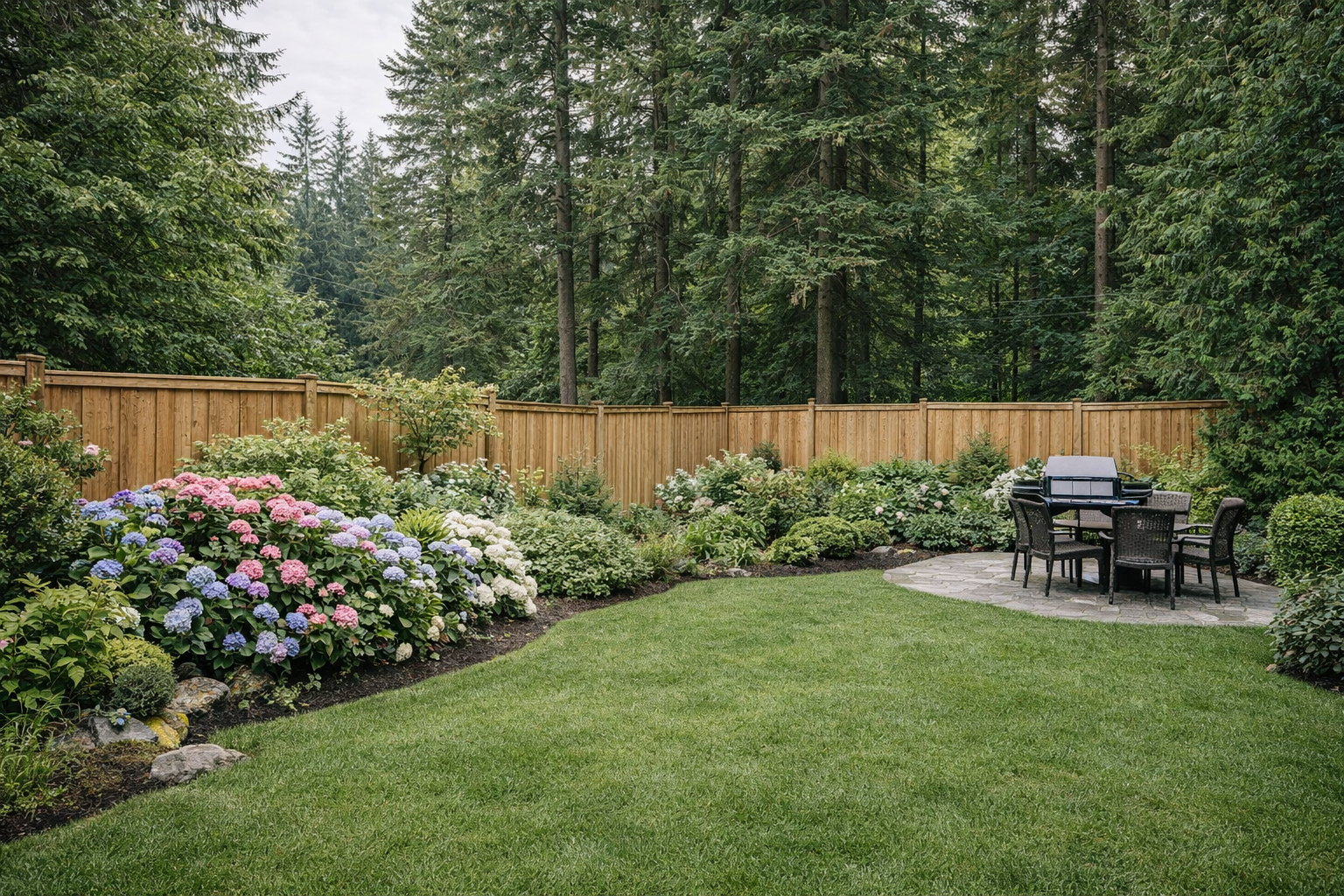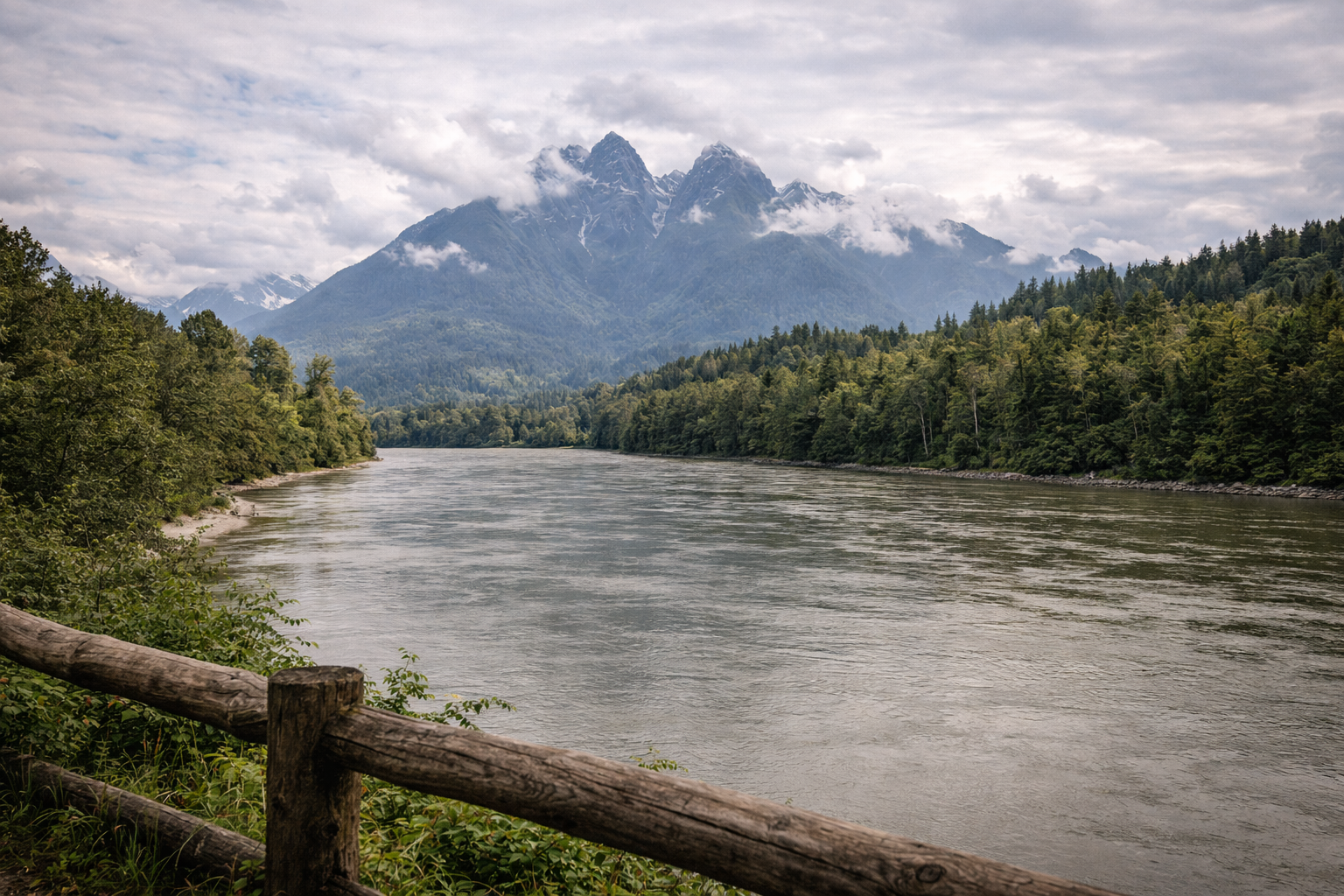

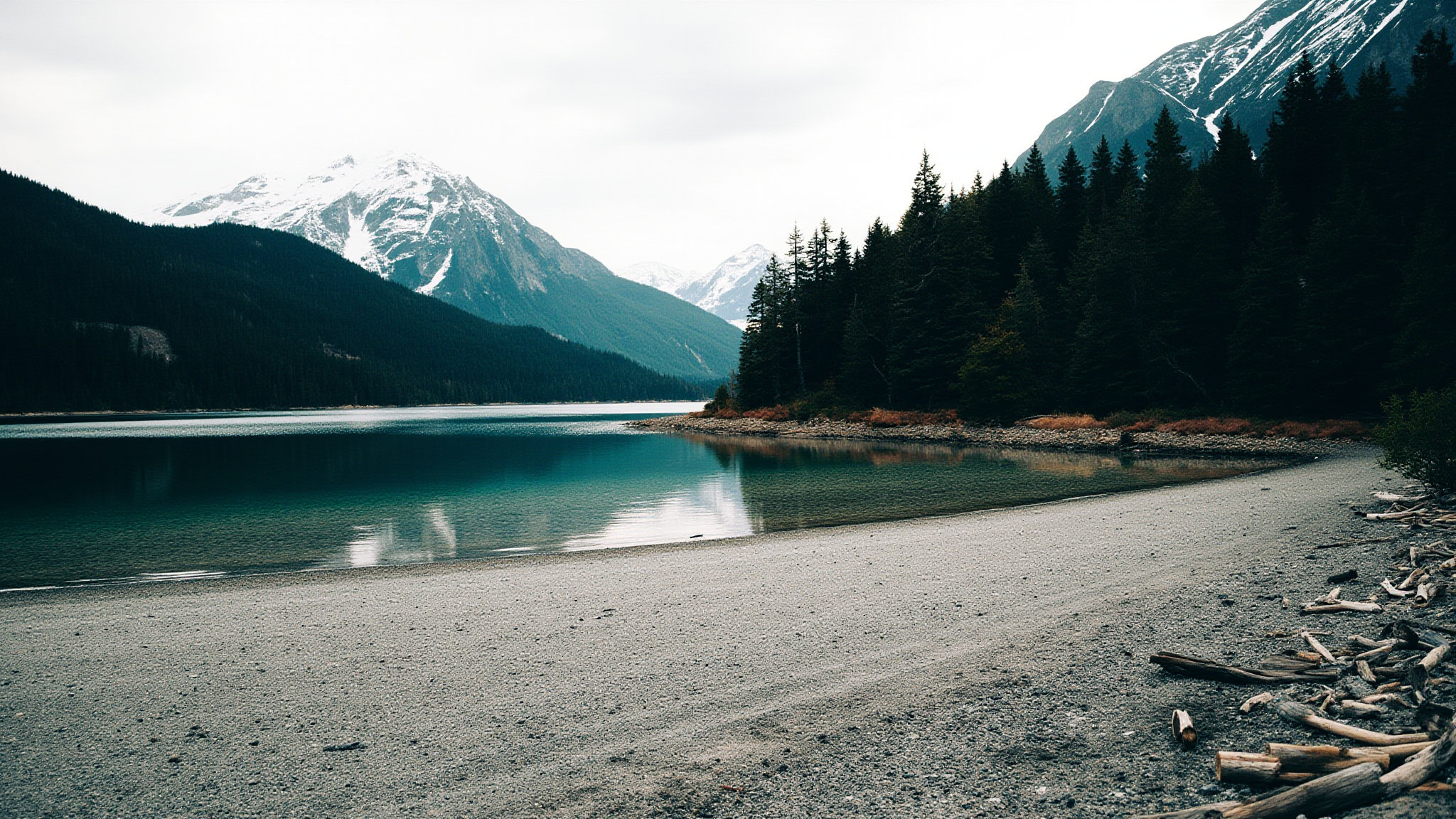
Golden Ears Provincial Park occupies a vast sweep of mountain terrain northeast of Maple Ridge, stretching from the Fraser Valley floor up through dense coastal rainforest to rocky alpine summits that hold snow for most of the year. At over 55,000 hectares, it is one of the largest provincial parks in the Lower Mainland region and one of the most visited in all of BC. The park takes its name from the twin summits of Mount Blanshard, whose distinctive rock faces catch the morning light and glow golden at certain times of year.
The park is accessed via 232nd Street from Haney, a route that transitions from suburban Maple Ridge into dense second-growth forest within a few kilometres. From the entrance, paved roads lead to the main recreation areas at Alouette Lake and Gold Creek, each offering a different flavour of the park’s considerable range. Whether you are arriving with young children for a beach day, a group of paddlers with kayaks on the roof, or a pair of experienced hikers aiming for the summit, Golden Ears accommodates all of it.
Alouette Lake: Beach, Swimming, and Paddling
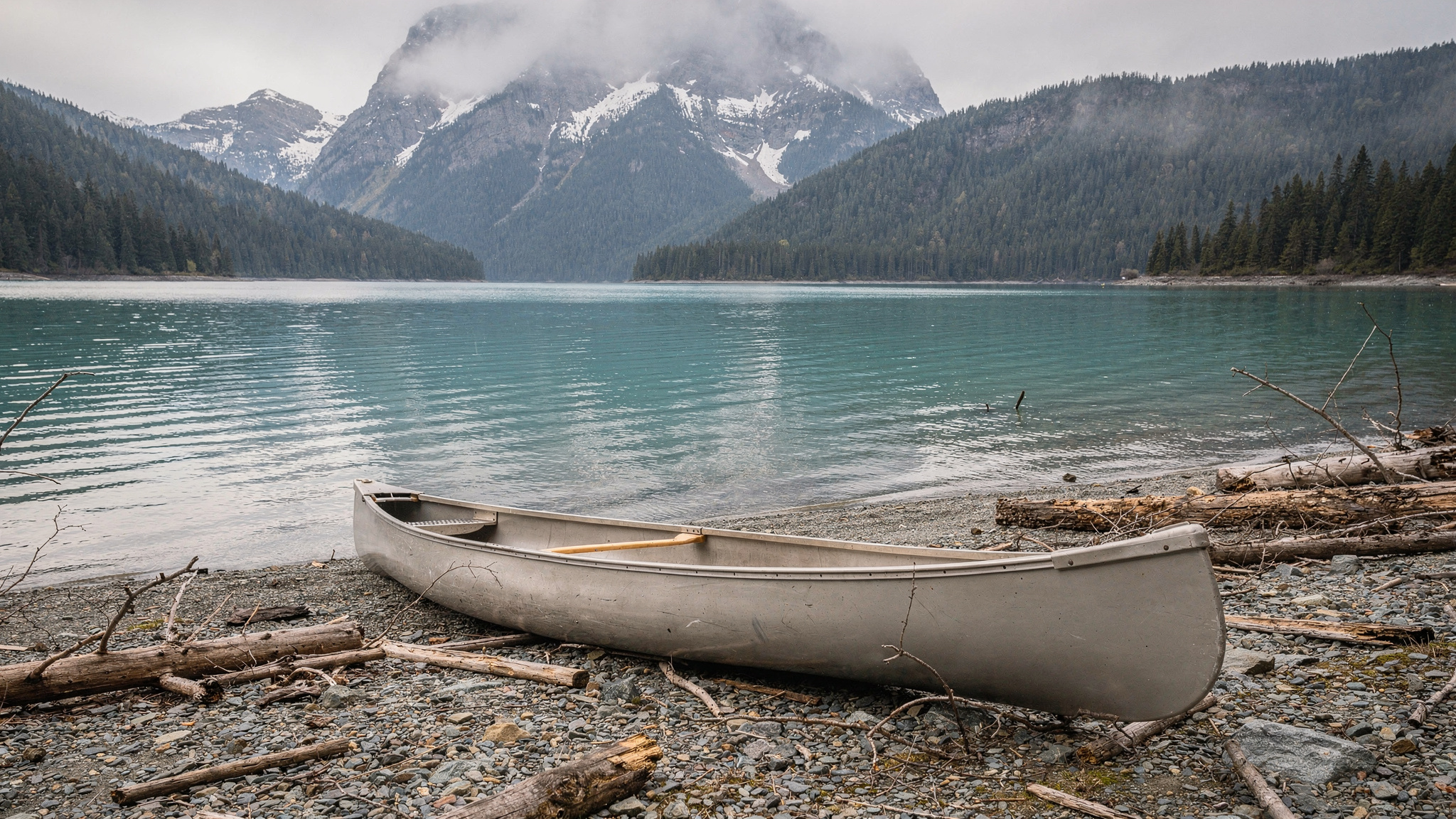
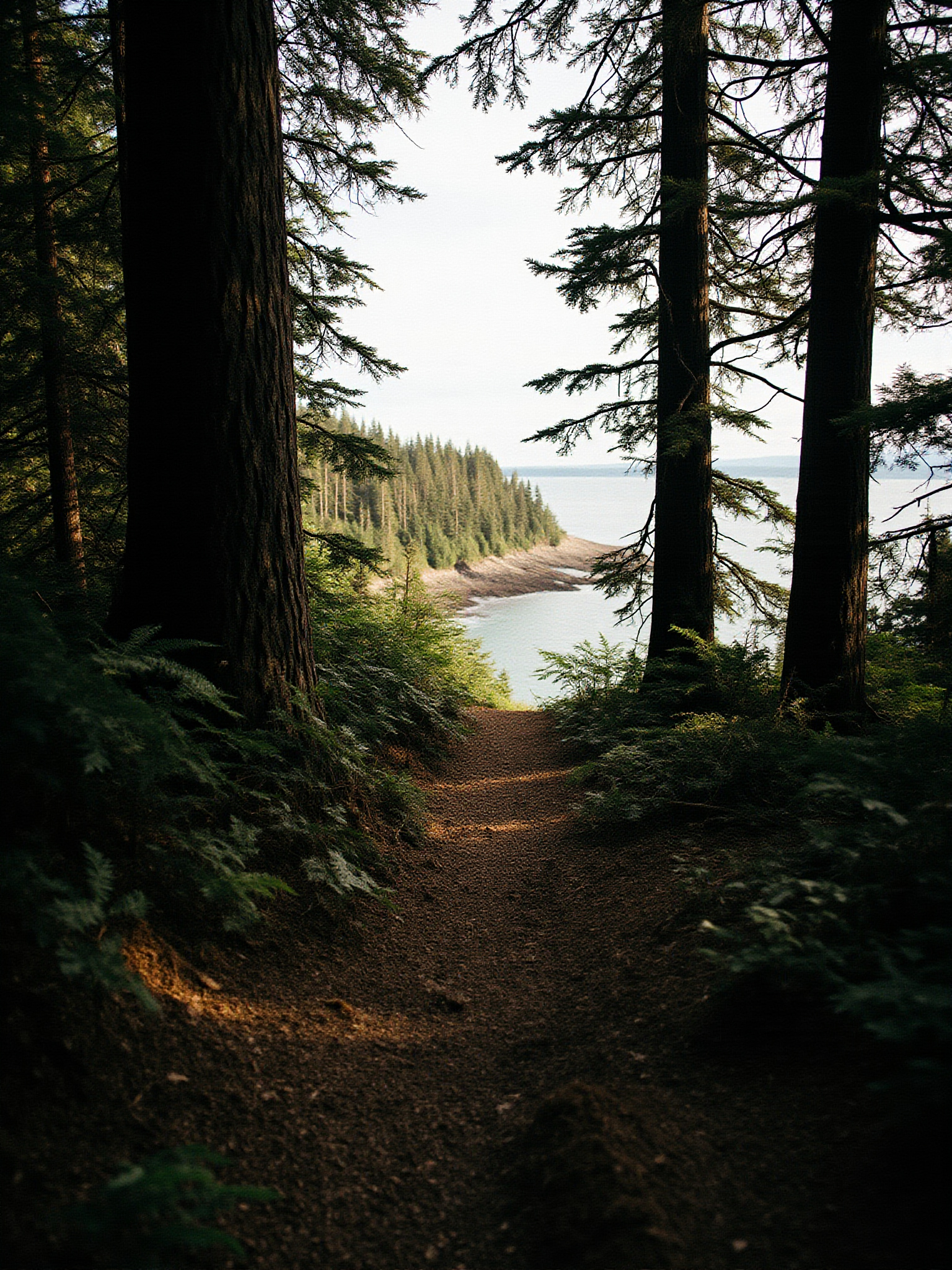
Alouette Lake is the social heart of Golden Ears Provincial Park. The lake stretches several kilometres into the mountains and is ringed by forested slopes that reflect perfectly in the water on calm mornings. Two developed beach areas, North Beach and South Beach, provide sandy entry points where families spread out on warm summer days. The water is cold even in August, fed by snowmelt from the surrounding peaks, but this does not deter the crowds that arrive on summer weekends.
Kayaking and canoeing on Alouette Lake is among the finest flatwater paddling in the Lower Mainland. The lake is calm in the mornings and can develop a headwind in the afternoons as thermal currents build, so early starts are rewarded with glassy conditions and views that stretch toward the distant peaks. Motorized boats are permitted on the lake, but the size and geography of the water mean that paddlers and swimmers coexist comfortably with boat traffic.
Non-motorized boat rentals are available at the lake during peak season, making this an accessible option for visitors who have not brought their own gear. Stand-up paddleboards, canoes, and kayaks can typically be rented on a per-hour basis. The launch area at South Beach is well-organized and the park staff are knowledgeable about current lake conditions and any areas to avoid.
Trails: Gold Creek Falls and the Golden Ears Summit
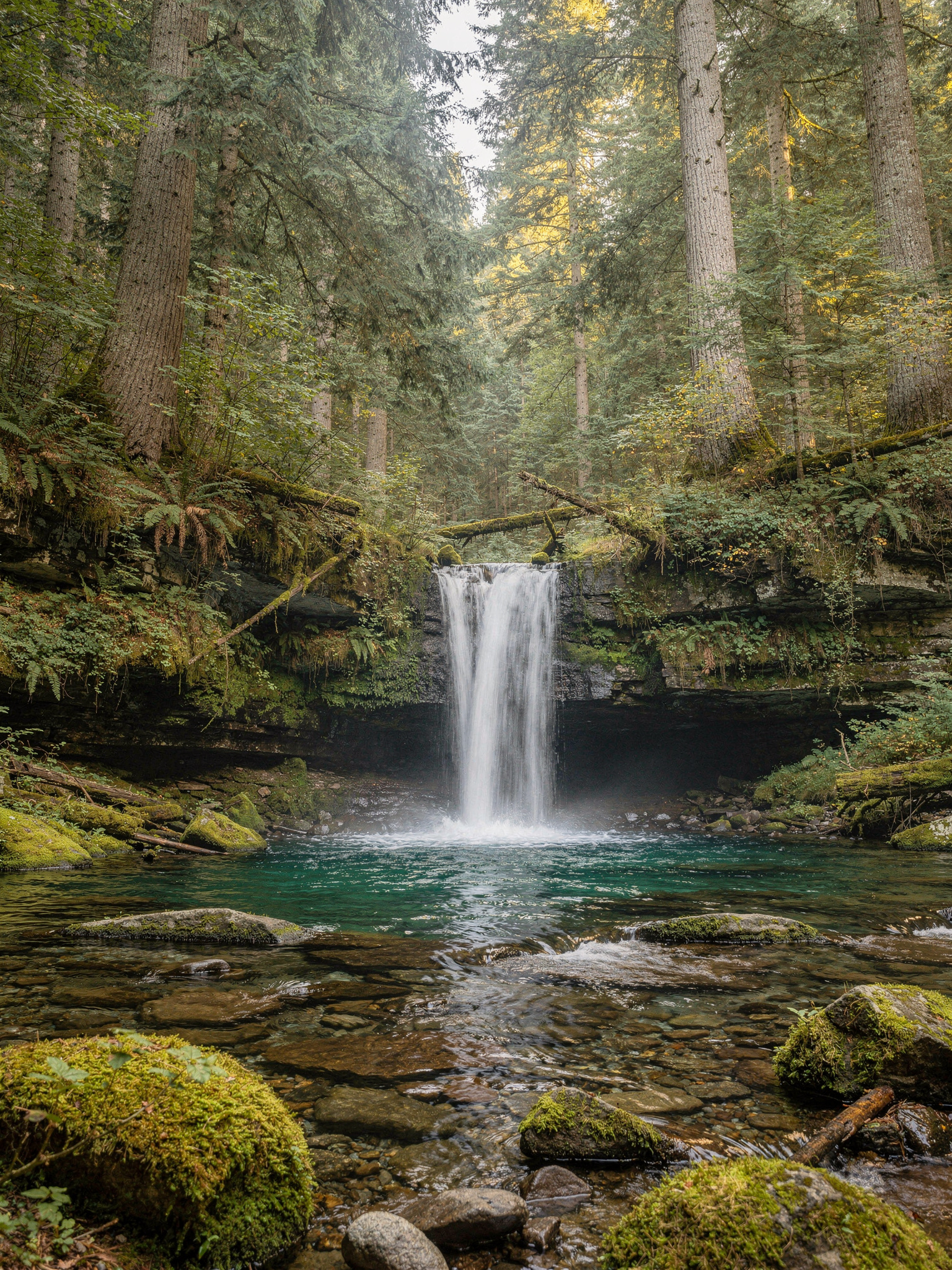
The trail to Gold Creek Falls is one of the most popular hikes in Metro Vancouver, and for good reason. The route follows Gold Creek through old-growth forest, passing through stands of massive Douglas fir and cedar that survived the logging era due to the steep terrain. The falls themselves drop into a canyon and the viewpoint above the lower falls offers a dramatic perspective on the power of the creek in spring runoff. The hike is approximately 9km return and is suitable for most fitness levels, though the trail can be muddy after rain.
The Golden Ears Trail to the summit is a very different proposition. The route climbs approximately 1,700 metres over 24km return, making it a full-day commitment for fit hikers and a two-day backpacking trip for those who want to camp at the backcountry sites near the ridge. The upper sections are exposed and the summit views on clear days extend from the Strait of Georgia to Mount Baker in Washington. Snow can linger on the upper trail well into June and crampons or microspikes may be required in early season.
Several shorter trails in the park provide good options for families and visitors looking for a taste of the forest without committing to a major hike. The Lower Falls Loop and the Spirea Nature Trail are well-maintained, relatively flat, and clearly marked. These shorter options are also good choices when weather is uncertain, as they stay in the forest canopy and remain pleasant even in light rain.
Camping: Alouette and Gold Creek Campgrounds
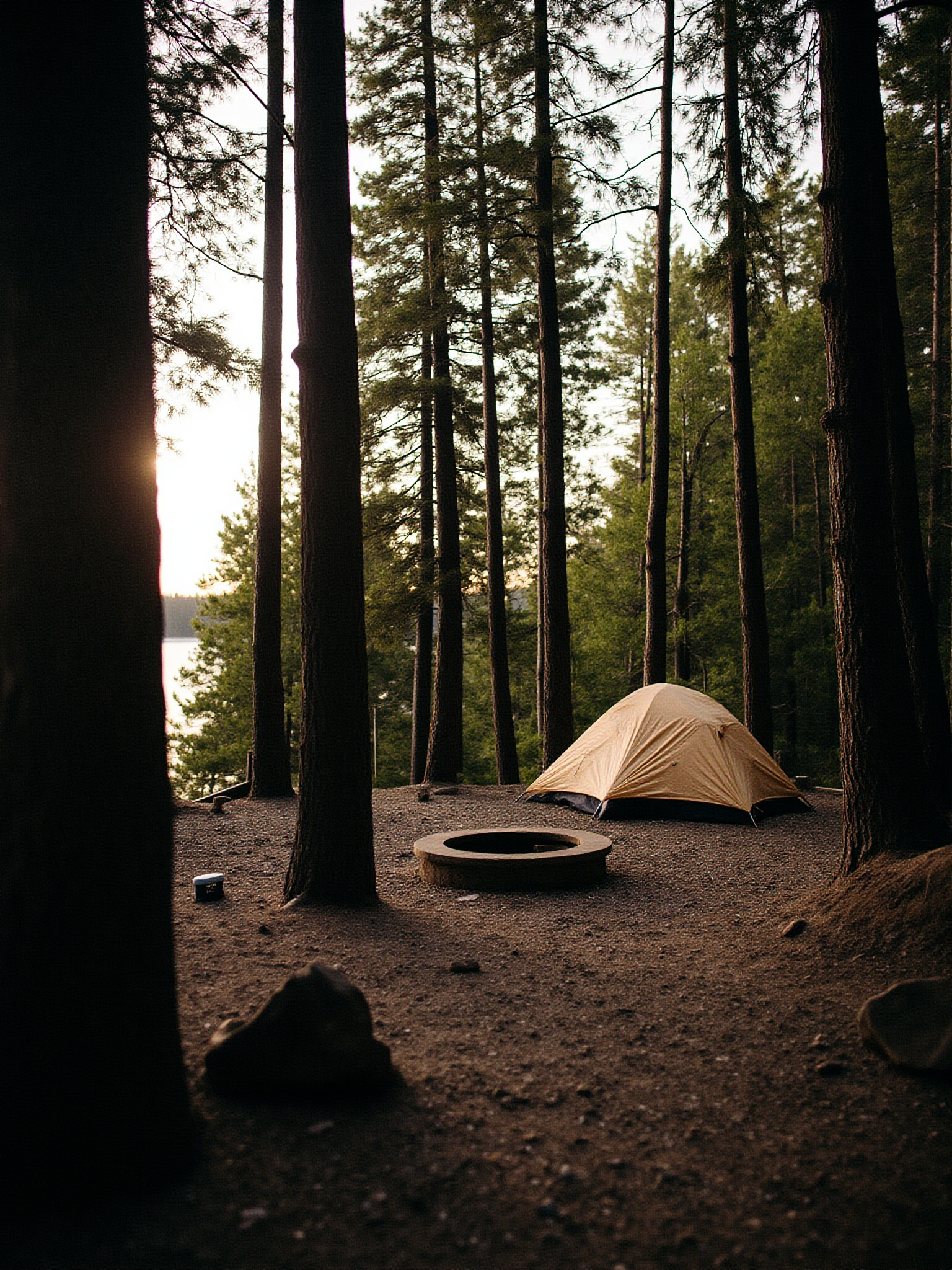
Golden Ears has two main campgrounds, both of which fill quickly during summer weekends and long weekends. Alouette Campground, the larger of the two with several hundred sites, is located near the lake and provides access to the beach areas and boat launch. The campground has full amenities including flush toilets, hot showers, and electrical hookups at some sites. It is a popular choice for families with young children who want easy lake access.
Gold Creek Campground sits further up the valley, closer to the trailheads for the longer hikes including the Golden Ears summit route. The campground is smaller and somewhat quieter than Alouette, though it still fills on summer weekends. The creek runs nearby and the forest setting is particularly beautiful in the early morning when the light filters through the canopy. Sites here tend to attract more experienced campers and hikers.
Reservations through BC Parks are essential for summer camping and reservations open in the spring, often being taken within hours for peak summer dates. Long weekends in July and August are the most competitive. The park does maintain some first-come, first-served overflow camping but this cannot be relied upon. Camping in the off-season, particularly in May and September, is dramatically easier to secure and offers a very different experience of the park.
Wildlife, Seasons, and Getting There
Golden Ears is home to a healthy population of black bears, which are regularly seen along the trails and near the campgrounds, particularly in berry season from July through September. The park posts bear activity notices at trailheads and the campground kiosks. Proper food storage is mandatory and bear canisters or the provided food lockers at campsites must be used. Sightings are common enough that visitors who spend time in the park should consider themselves likely to see at least one bear from a safe distance.
Other wildlife in the park includes black-tailed deer, which are often seen near the campgrounds in the evening, Roosevelt elk in the upper valley, black bears, the occasional cougar, and a rich bird life that includes bald eagles along the lake, pileated woodpeckers in the old-growth forest, and Steller’s jays at every picnic table. The lake supports a population of loons whose calls carry across the water on calm evenings.
The park is reached via 232nd Street from Haney, heading north from Dewdney Trunk Road. The drive from downtown Maple Ridge to the park entrance takes approximately 20 minutes, and the drive from Metro Vancouver’s eastern suburbs is roughly 45 minutes to an hour depending on traffic. Day-use parking fees apply and are collected at the entrance booth during staffed hours. The BC Parks day-use pass is valid here and can be purchased online or at the gate.
Planning Your Visit by Season
Summer, from June through September, is peak season and the time when all facilities are operational. Beach swimming, kayaking, and the summit hike are all at their best in July and August. The tradeoff is that parking lots can fill by mid-morning on sunny weekends, and trail crowding on the popular routes is significant. Arriving early, ideally before 9am, makes a substantial difference to the experience.
Spring, from late March through May, offers a very different park. Waterfalls are at their most powerful from snowmelt, the forest is vibrant green from heavy rainfall, and the campgrounds are quiet. The higher trails may still have snow and can be challenging without appropriate footwear and navigation skills. The lower trails and the Gold Creek Falls route are excellent choices in spring.
Fall is arguably the most beautiful season in Golden Ears, with the bigleaf maples along the lower trails turning gold and orange in October and the light taking on that particular quality of a BC coastal autumn. Bear activity is high as animals prepare for winter, so awareness and proper food storage are especially important. Winter sees the park open but with minimal services, and the upper trails become serious mountaineering objectives covered in snow and ice.
Tips for Visiting Golden Ears Provincial Park
Arrive before 9am on summer weekends to secure parking. The main day-use lots fill by 10am or 11am on sunny Saturdays in July and August, and latecomers are turned away or must park a significant distance from the beach.
Water in the park from streams and the lake should be treated before drinking. Bring a filter or purification tablets if you are planning any trail time beyond a short walk from the facilities.
The summit hike should not be attempted without proper footwear, navigation ability, and awareness of weather. Afternoon thunderstorms can develop quickly on the upper ridge and the route above the treeline is exposed. An early start, before 6am for the summit, is strongly recommended.
Cell service is limited to none inside the park. Download maps offline before you go. The BC Parks website has a downloadable trail map for Golden Ears that covers all maintained routes.
Questions Often Asked
Do I need a reservation to camp at Golden Ears?
Yes, reservations through BC Parks are strongly recommended for summer camping, particularly on weekends and long weekends. Sites fill within hours of opening in spring and some peak dates sell out months in advance.
How difficult is the Golden Ears summit hike?
The summit is a strenuous full-day hike with 1,700 metres of elevation gain over 24km return. It requires good fitness, appropriate footwear, navigation skills, and weather awareness. It is not suitable for casual hikers or children.
Can I swim at Alouette Lake?
Yes. North and South Beach have designated swimming areas with sandy entry points. The water is cold even in summer, typically in the 15-18 degree Celsius range in August, but swimming is popular and the beaches are well-maintained.
Are dogs allowed in Golden Ears Provincial Park?
Dogs are permitted in most areas of the park but must be on leash at all times. They are not allowed in the swimming areas at the beach. Given the presence of bears and other wildlife, keeping dogs leashed is both a park rule and a genuine safety matter.